
History · Vinyl Records 45 RPM
The 45 RPM Single: Small Disc, Big Hit
If the LP was the album, the 7-inch 45 RPM record was the hit. Compact, affordable and built around a single song, the 45 was the heartbeat of the jukebox, the radio request line and the pop charts.
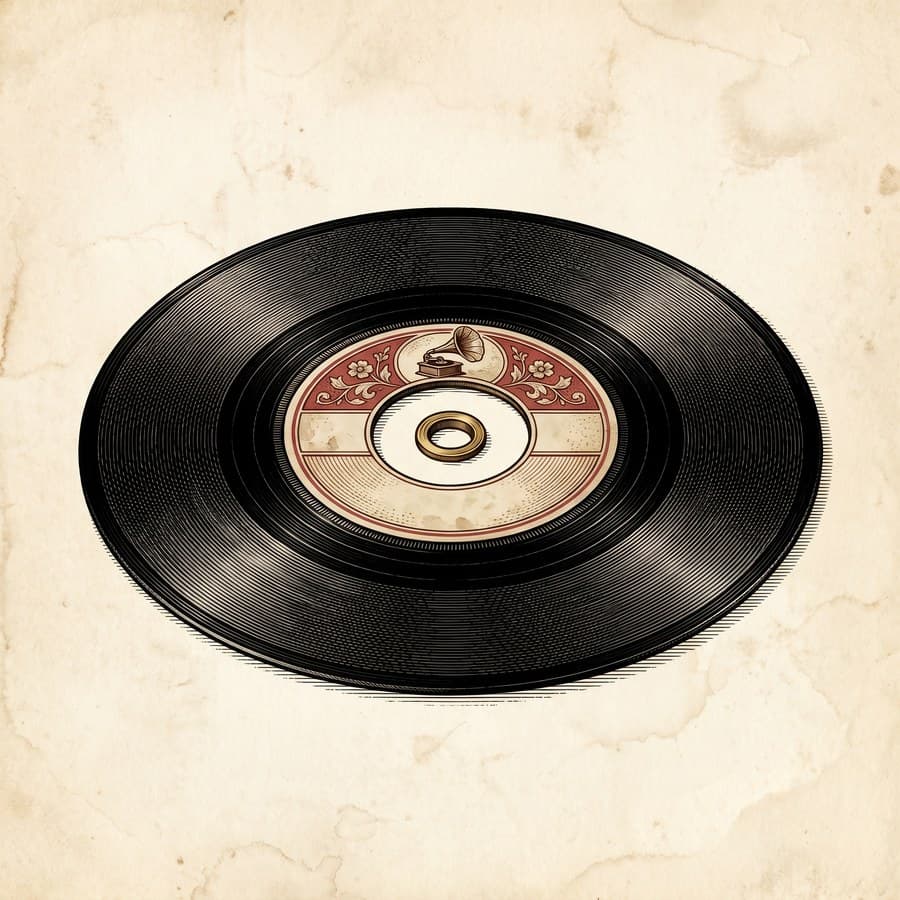
The origins: the birth of the single
The 45 RPM vinyl single arrived in 1949, introduced by RCA Victor as a compact alternative to the brittle shellac 78. Where the LP was built for the full album, the 45 was built for the single song.
Its small size, large centre hole and quick playtime made it perfect for jukeboxes and for the growing business of selling individual hits to a young audience.
Innovation and evolution
The 45 RPM single (1949–1980s) — The 7-inch format became the standard for hit singles — one song a side — and it fuelled the radio and jukebox boom.
Jukebox and radio culture (1950s–1960s) — The 45 powered the pop and rock revolutions, stacked in jukeboxes and spun by radio DJs.
The picture sleeve and the B-side — Singles came in printed sleeves, and the flip side gave artists room for experiments — some B-sides became hits in their own right.
Decline and collector revival (1990s onward) — Cassettes and CDs ended the single’s mainstream run, but original 45s are now keenly collected.
Cultural impact and usage
- Jukebox culture — the 45 was the format that filled diners, bars and dance halls with music.
- The pop revolution — affordable singles put new music in the hands of a young audience.
- DJ and dance scenes — 7-inch singles were the working tools of early DJs and sound systems.
- Collectors’ finds — rare pressings and original sleeves are prized for their sound and history.
A few facts
- The 45 RPM single was introduced in 1949, a year after the 33⅓ RPM LP.
- Its distinctive large centre hole was designed for fast changing in jukeboxes.
- Many famous recordings first reached listeners as a 7-inch single.
Why vinyl records 45 rpm still matter
The 45 captures a particular kind of joy — the thrill of a single song you loved enough to own. For collectors, each 7-inch is a small, complete piece of music history.