
History · VHS Movie Tapes
VHS Movie Tapes: The Home Entertainment Revolution
VHS — Video Home System — tapes changed how people watched movies, bringing cinema into living rooms worldwide. Before streaming and DVDs, VHS was the way to record, rent and rewatch films.
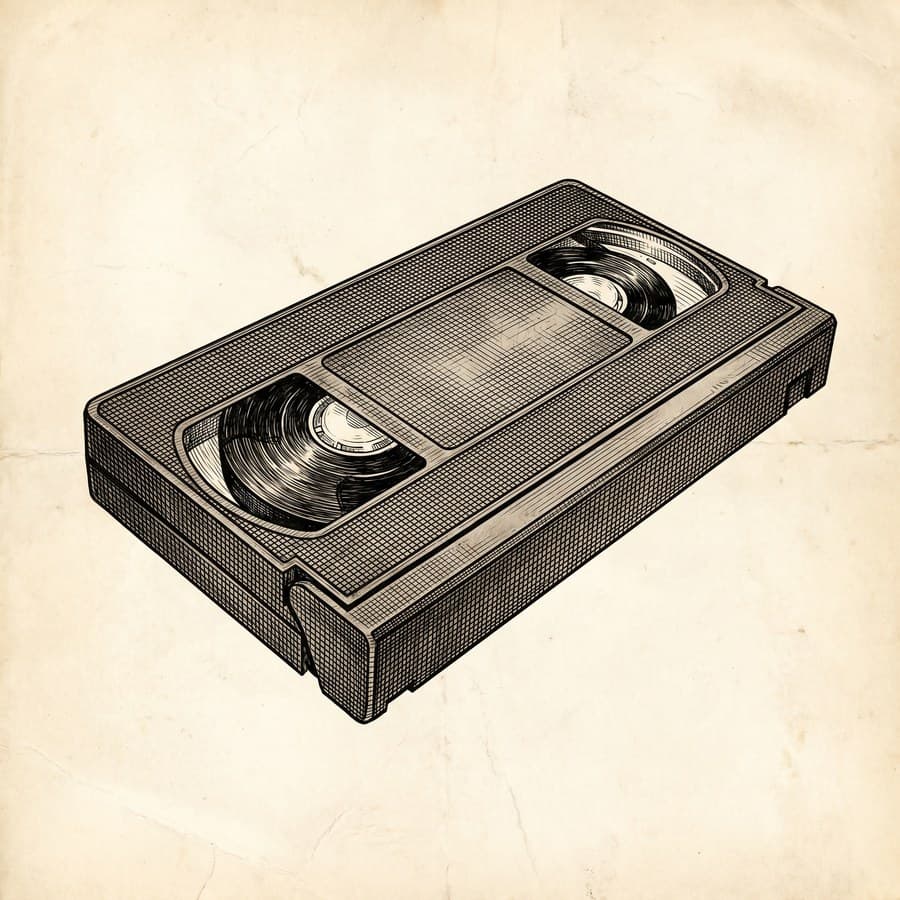
The origins: the birth of home video
Before VHS, watching movies at home meant broadcast television or expensive film reels. The VHS format, introduced by JVC in 1976, changed that by letting people record television and play pre-recorded movies whenever they liked.
Sony’s Betamax competed with VHS through the late 1970s and early 1980s, but VHS won out, thanks to longer recording times and a lower price.
Innovation and evolution
Early video recording systems (1950s–1970s) — Before VHS, open-reel video tape recorders were used mainly by television studios because of their size and cost.
The VHS boom (1980s–1990s) — Affordable, portable and easy to use, VHS became a household essential, with two hours or more of recording capacity.
Video rental stores (1980s–2000s) — Chains such as Blockbuster became cultural landmarks, letting people rent films rather than buy them.
Direct-to-VHS movies (1990s–2000s) — Many films — especially animated and low-budget titles — skipped the cinema entirely and went straight to VHS.
Decline and nostalgic revival (2000s onward) — DVDs, Blu-ray and streaming pushed VHS out of the mainstream, but the format has seen a nostalgic comeback.
Cultural impact and usage
- Home movie magic — families could record special moments and build personal VHS collections.
- Video store culture — a trip to the rental store became a weekend tradition.
- Iconic cover art — VHS covers were designed to stand out on the shelf.
- Fan-made tapes — before digital sharing, people copied tapes to pass on rare films.
A few facts
- Some VHS tapes, such as Disney’s Black Diamond Collection, are now highly valuable to collectors.
- VHS was the first format to make movies available for home ownership.
- The last major Hollywood film released on VHS came out in 2006.
Why vhs movie tapes still matter
Despite the convenience of digital media, VHS remains a symbol of an era when renting, rewinding and carefully storing tapes was part of the movie-watching experience.